
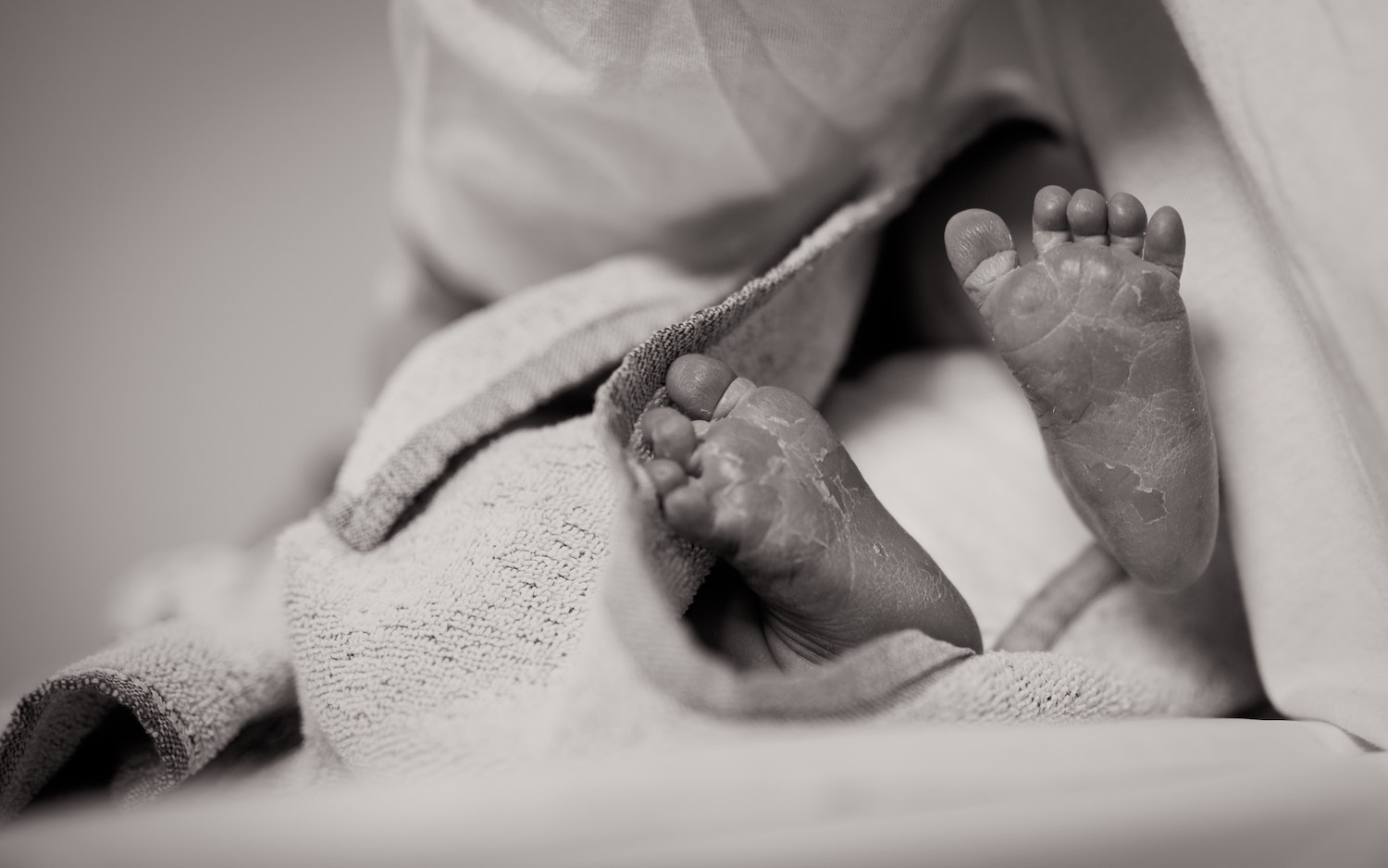
Researchers at San Giovanni Calibita Fatebenefratelli Hospital in Rome have discovered microplastic particles in human placenta for the first time. The Italian researchers collected placentas from six mothers, and particles were found in four of the placentas.
The six placentas were collected in a plastic-free environment by doctors and midwives, to avoid contamination. The placentas were then evaluated using micro-spectroscopy.
A total of 12 pieces—between 5 and 10 micrometers—were collected. They were found on both sides of the placenta and in the chorioamniotic membranes, which means that they are small enough to enter and travel through the bloodstream.
Surprisingly, all of the microplastics were coloured— they were red, blue, orange, and pink. However, researchers were only partially able to identify where the microplastics even came from.
“All of them were pigmented; three were identified as stained polypropylene a thermoplastic polymer, while for the other nine it was possible to identify only the pigments, which were all used for man-made coatings, paints, adhesives, plasters, finger paints, polymers and cosmetics and personal care products,” wrote the researchers.
How could this happen?
The source of the microplastics that were found—including cosmetics, paints and other man-made coatings—either used, consumed, or inhaled by the mothers. Currently, only 9% of plastic waste is recycled, and other 91% of the waste ends up in landfills and waterways.
According to Now This, previous studies have found microplastics in food, sea salt, and drinking water. It’s also found that drain water from washing machines is a source of microplastic pollution found in Arctic seawater. But this is the first time they have reportedly been found in a human placenta.
The placenta plays an important role in the development of a fetus. It delivers nutrition and oxygen, handles waste disposal, and generally helps keep the fetus alive until its own organs develop enough to take over. With the addition of microplastics, study leader Antonio Ragusa says that it’s “like having a cyborg baby”.
“(It’s) no longer composed only of human cells, but a mixture of biological and inorganic entities,” Ragusa continues.
Only 4% of each placenta was analysed, so it could be entirely possible that the total amount of microplastics could be higher. For now, further research is needed to determine how placental microplastics could impact fetal growth and immune system development.
According to Elizabeth Salter Green, at the chemicals charity Chem Trust, she said that “babies are being born pre-polluted”. She continued saying that although the the study was very small, it “nevertheless flags a very worrying concern”.
[ SOURCE, 2, 3, IMAGE SOURCE ]