
The JENDELA plan was recently introduced following the National Digital Infrastructure Lab (NDIL) conducted from the 13th July to 14th August 2020. As clarified by the MCMC, JENDELA will be a revamp of the NFCP which will focus on expediting 4G coverage expansion in preparation for 5G rollout.
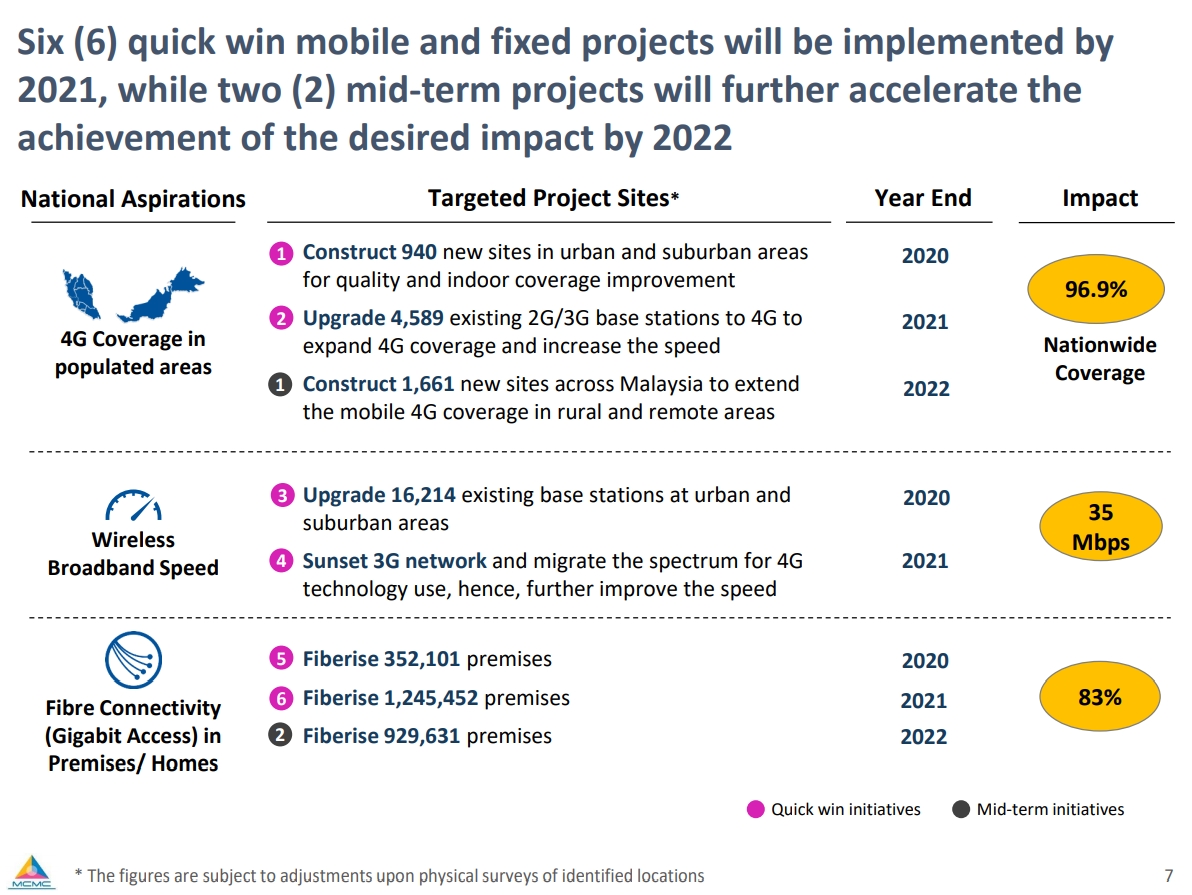
To recap, JENDELA aims to increase 4G population coverage from 91.8% to 96.9% while increasing broadband speeds from 25Mbps to 35Mbps. This will be achieved by constructing 1,661 new mobile sites across the country. In addition, the number of premises with fibre optic connection will be increased to 7.5 million by 2022.
JENDELA aspires to achieve 100% 4G coverage
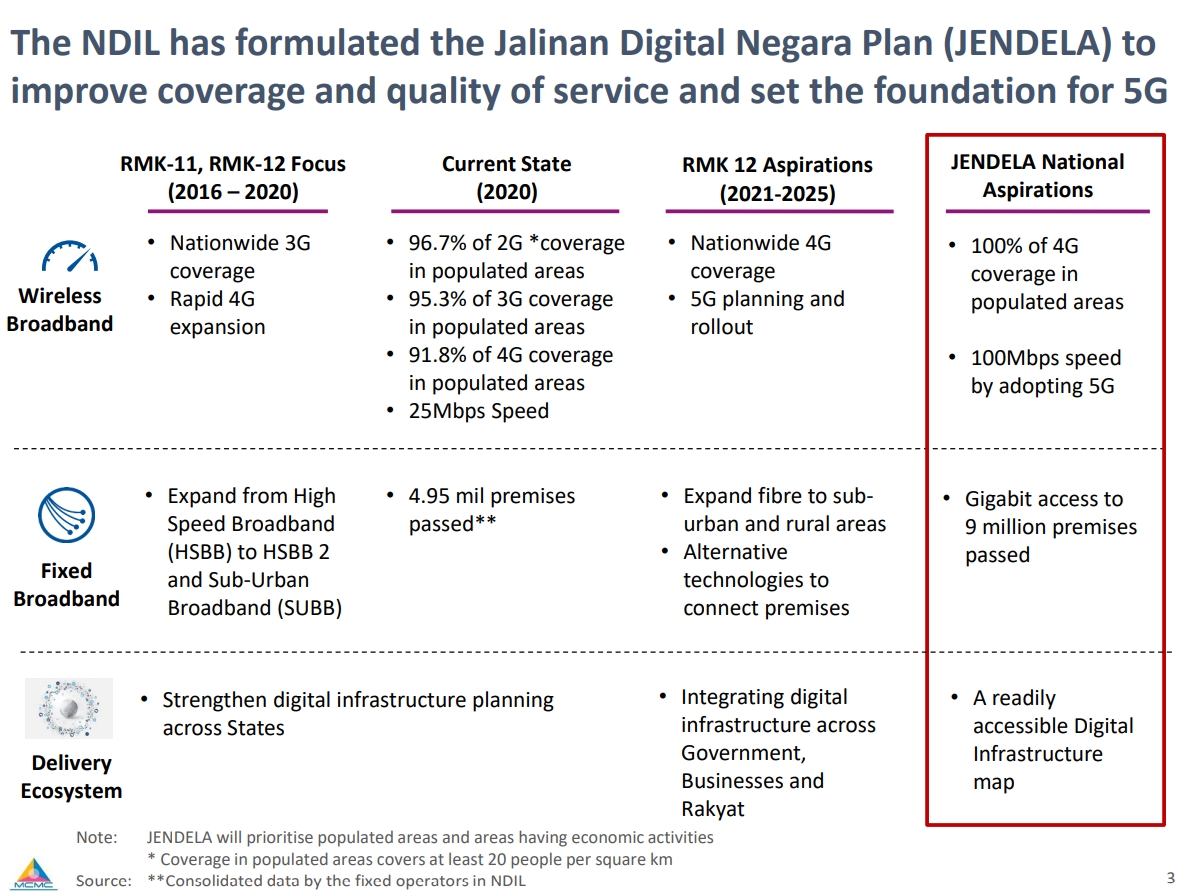
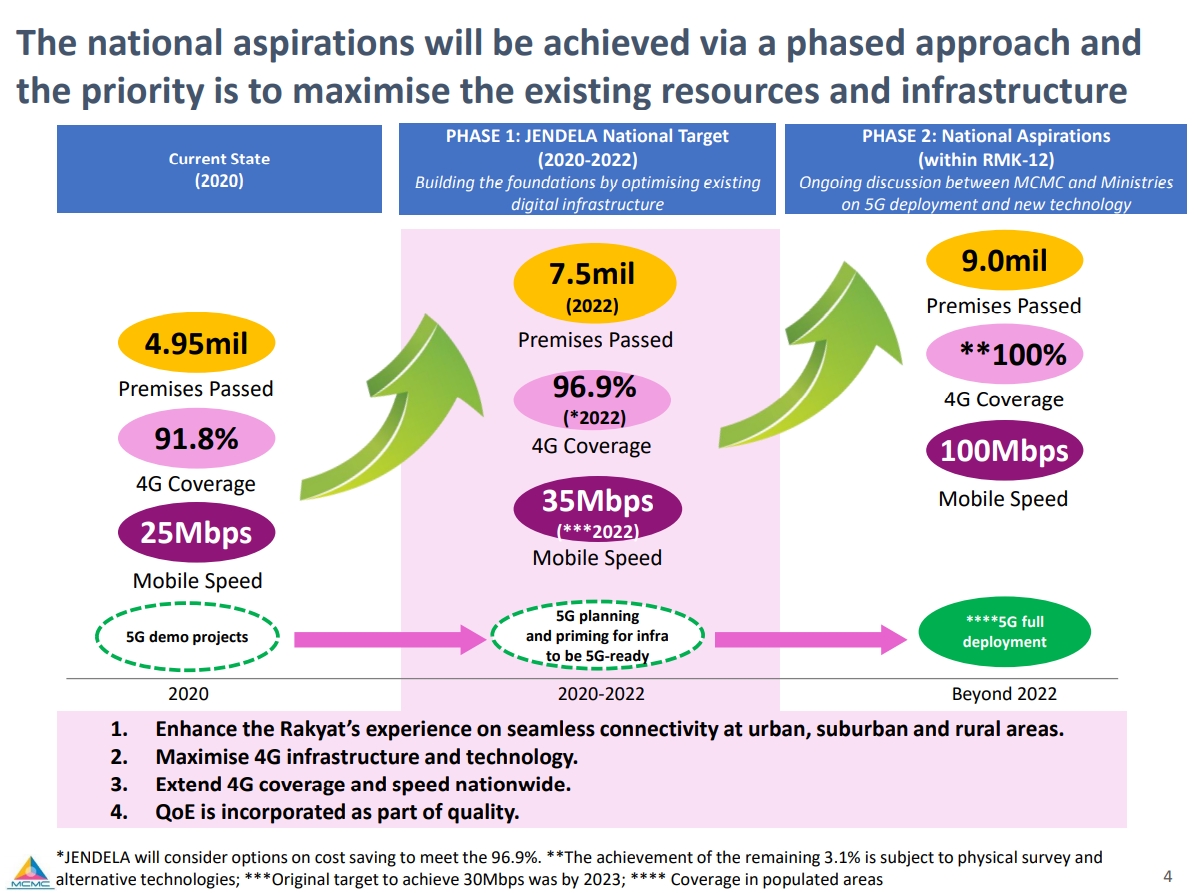
The JENDELA plan also aspires to achieve an ambitious 100% 4G coverage in populated areas while providing 100Mbps mobile broadband speed in Phase 2 which is set to take place after 2022 when 5G is deployed fully. Meanwhile, 3G networks will be phased out by end 2021 and the existing spectrum will be used for 4G.
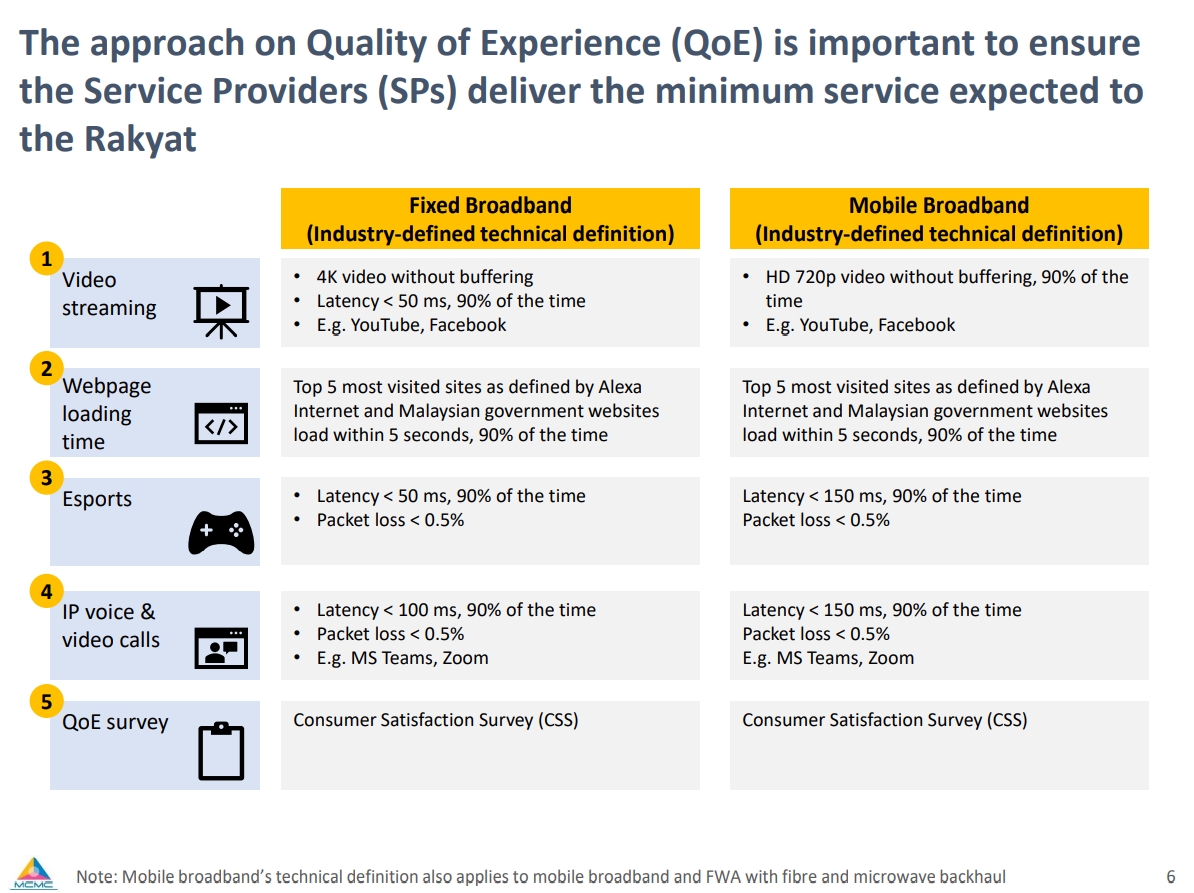
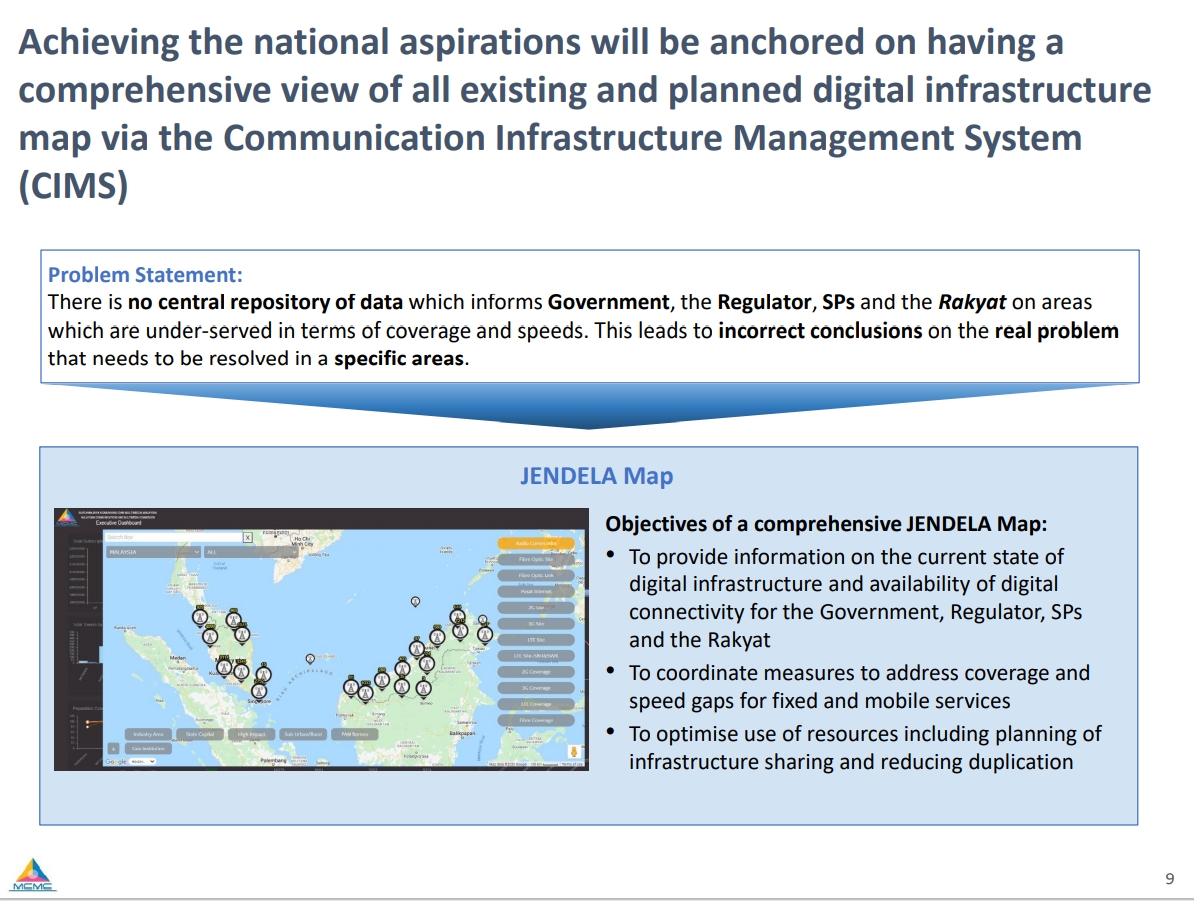
The NDIL report highlights the need for a platform that provides an accurate and updated view of the current infrastructure. The report states that there’s no central repository of data at the moment which informs the Government, the regulator, service providers and the rakyat on areas that are underserved in terms of coverage and speeds. It added that this situation leads to incorrect conclusion on the real problem that needs to be addressed in specific areas.
JENDELA Map
To provide a comprehensive view for all parties, a JENDELA Map is proposed which illustrates the current state of digital infrastructure and availability of digital connectivity for all parties. The map is aimed at coordinating measures to address coverage and speed gap issues for both fixed and mobile broadband services. In addition, the map could help providers to optimise resources through infrastructure sharing while reducing duplication.
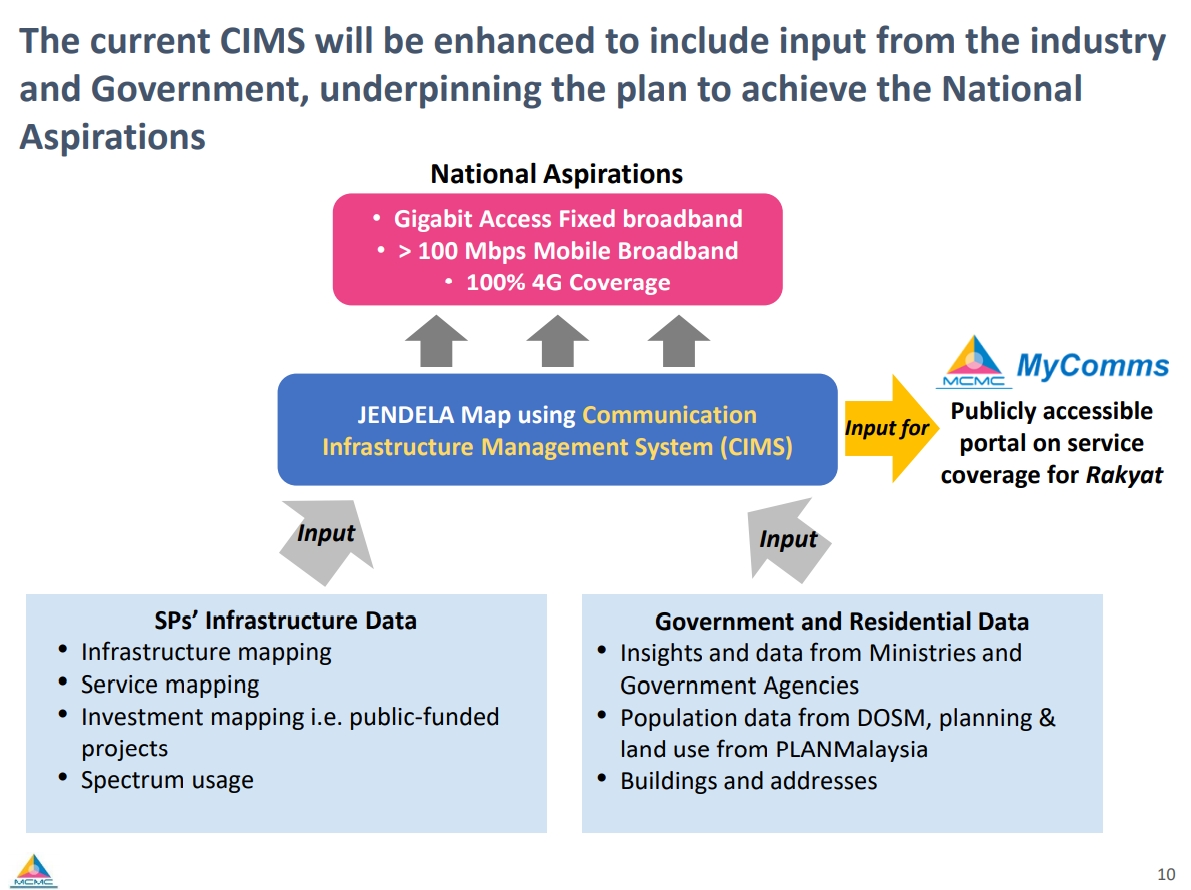
The JENDELA Map which utilises a Communication Infrastructure Management System (CIMS) will rely on input from service providers including spectrum usage, infrastructure mapping, serving mapping and investment mapping. It will also include insights and data from Ministries, Government agencies, population data as well as builldings and addresses.
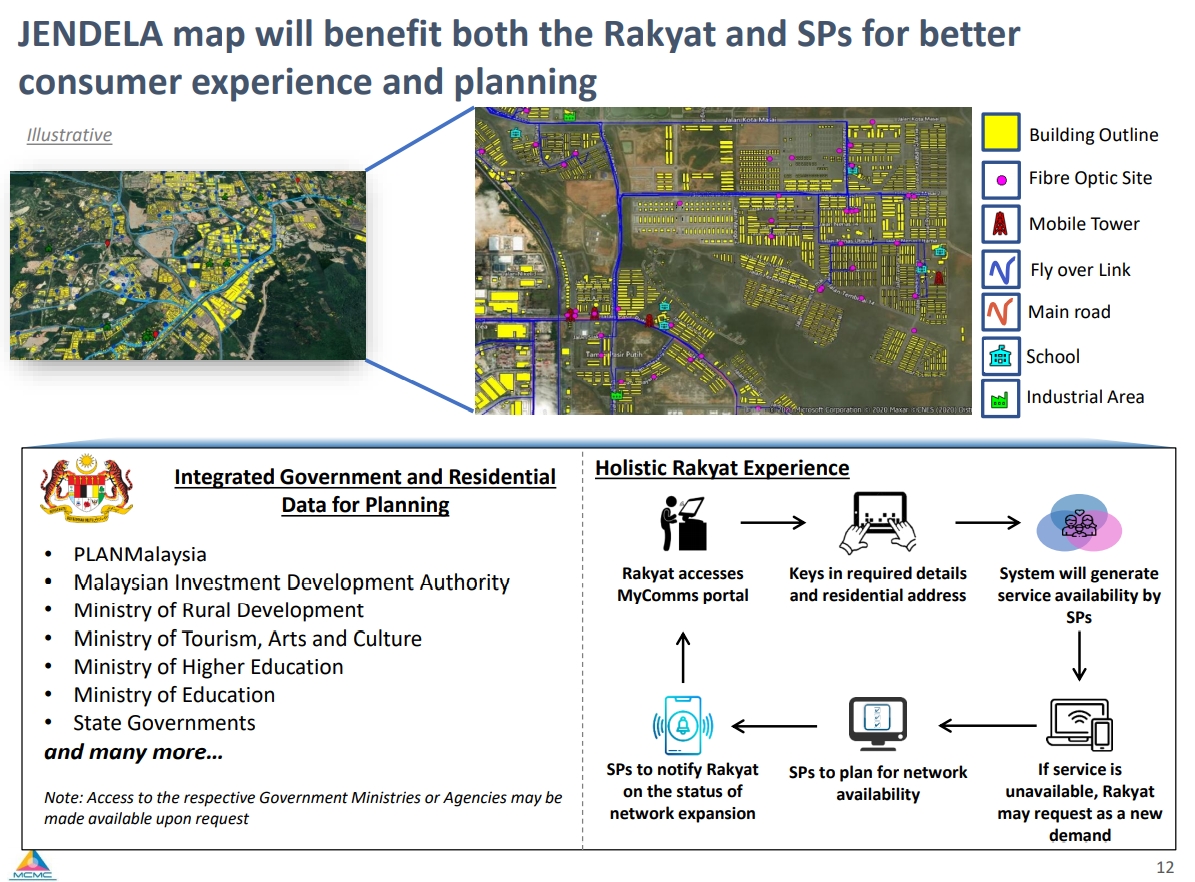
As illustrated above, the JENDELA Map will be accessible by the public and users can discover all services available for their area. If the broadband service is not available, they can submit a request for a new demand which will be forwarded to telcos to plan for network availability. The public can also get updated on the status of the network expansion from the platform.
If there are any issues, there’s a steering committee facilitated by the MCMC that will look into resolving issues and provide direction to service providers on plans moving forward.
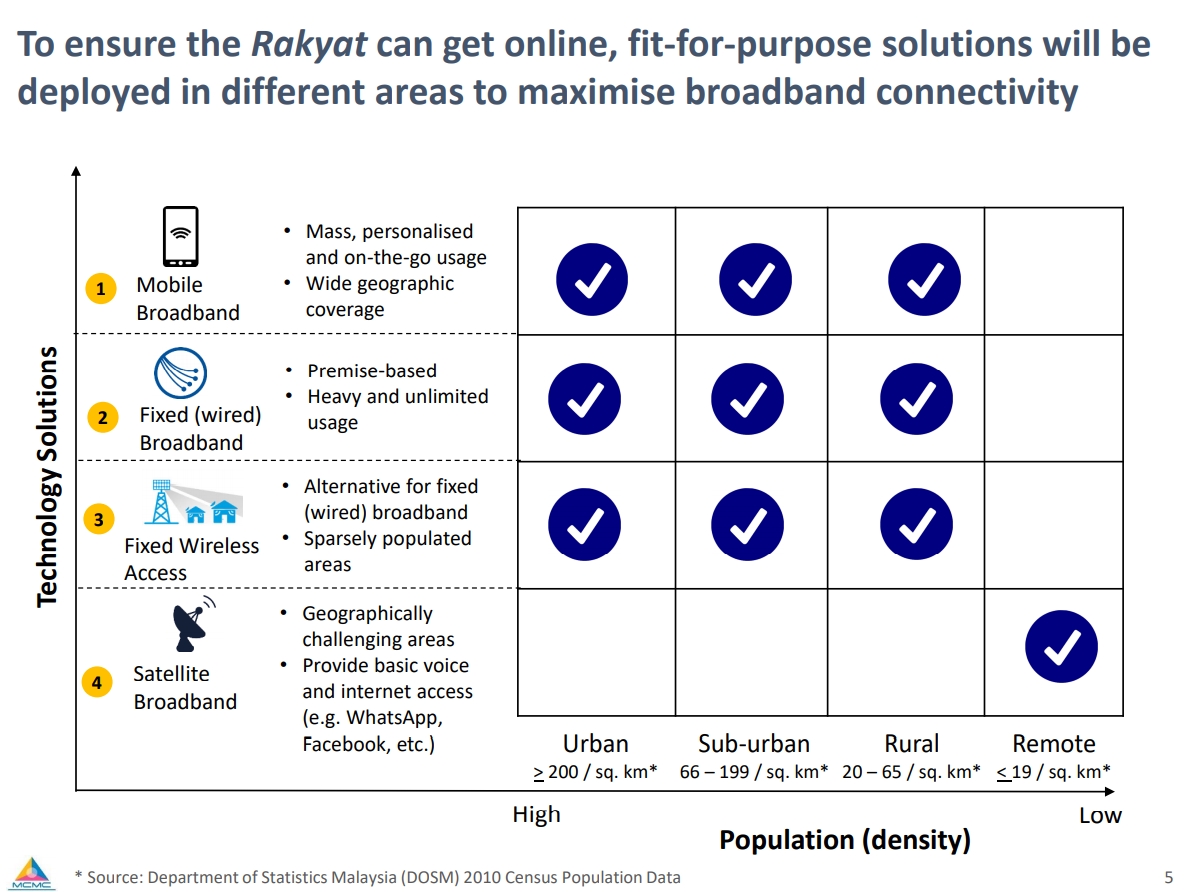
Apart from expanding mobile and fixed broadband access, the government is also exploring fit-for-purpose solutions to maximise broadband connectivity. For remote low-density areas with population of less than 20 people per square KM, satellite broadband will be considered.
[ SOURCE ]