

As many work from home due to various lockdown measures implemented around the world to curb the spread of the COVID-19 pandemic, users have flocked to various video conferencing apps, amongst other remote working tools. If you’ve kept up with the news, you’ll know that concerns over privacy and security have come under the spotlight for Zoom, a platform that has come under severe criticism for a perceived lack of transparency. Microsoft has now issued an indirect response of sorts, explaining that there is a “commitment to privacy and security in Microsoft Teams, Microsoft’s remote working platform.
Jared Spataro, Corporate Vice President for Microsoft 365, has shared some of the safeguards in place for video conferences in Microsoft Teams—basically, security measures to make sure that unwanted events like “Zoom-bombing” doesn’t happen. The VP doesn’t mention Zoom by name, but this appears to be an effort by Microsoft to promote Teams as a safer, more secure alternative to Zoom.
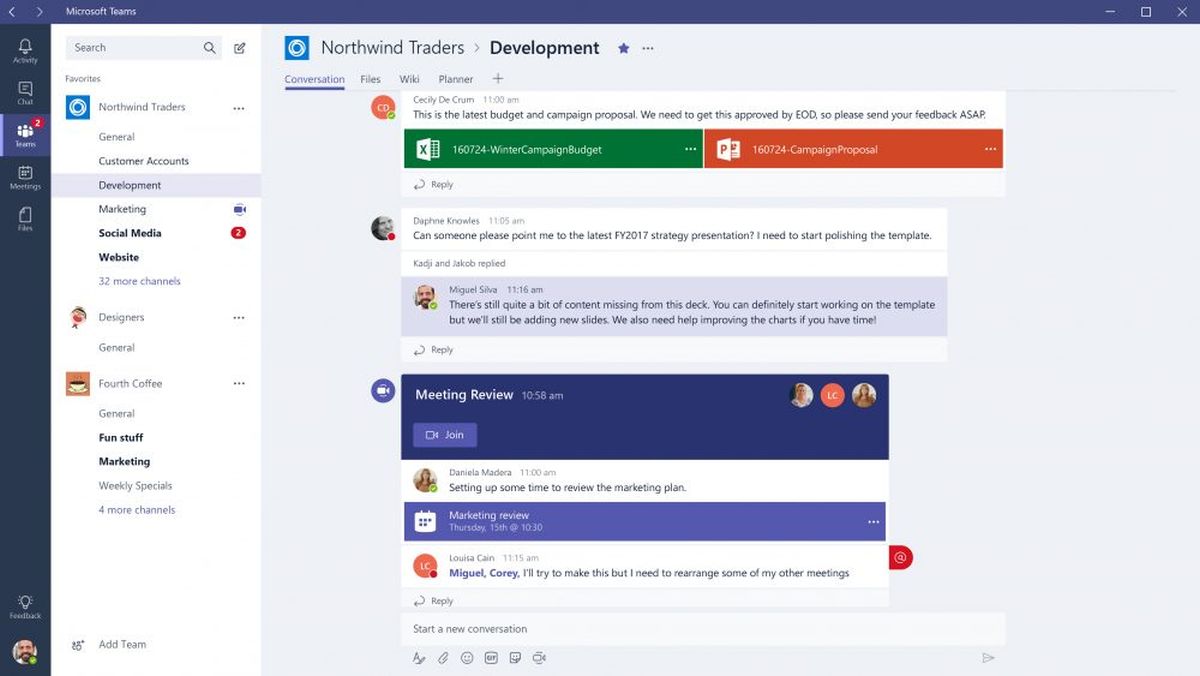
Privacy and security controls include strict options that allow hosts to decide who joins the room, while attendee consent is required for recording. There’s also moderation and controls, to prevent unwanted attendees from hacking into meeting rooms.
A more obvious response to Zoom’s recent troubles is Microsoft’s promise that attention-tracking is not a feature in Teams. On Zoom, there have been privacy concerns where meetings hosts are notified if participants don’t have the video conference window up—although this only applies when screensharing is on.
“We take strong measures to ensure access to your data is restricted and carefully define requirements for responding to government requests for data.”
There are also regular “transparency reports” on Microsoft’s Transparency Hub—again, transparency is arguably the underlying problem when it comes to Zoom. In fact, Zoom came under criticism when it was discovered that the company sent user data to Facebook via SDK, although the company has apparently rectified that since.
“Now more than ever, people need to know that their virtual conversations are private and secure. At Microsoft, privacy and security are never an afterthought. It’s our commitment to you—not only during this challenging time, but always.”
Microsoft also says that its compliance with various industry regulations (more than 90), mean that the platform is secure one to use—with an emphasis being placed on students and underage users.
Zoom is currently facing a class action lawsuit in the U.S. for some privacy practices, and users have complained of “zoom-bombing”, where trolls join meeting rooms and broadcast inappropriate, unwanted content to the room. Founder and CEO Eric Yuan has apologised for the “missteps”, promising that resources are being diverted towards fixing privacy and security issues. According to Yuan, the issues faced by Zoom stem from the unanticipated surge in users caused by the current global situation.

Zoom was actually launched back in 2013, and its daily users jumped to 200 million in March 2020. Microsoft Teams is a relatively new player on the scene, having been launched in 2017. While Zoom is working to rectify its very public issues, perhaps alternatives such as Microsoft Teams are worth trying.
What do you think? Let us know what your experience with Microsoft Teams has been like in the comments section below. To find out more about security and privacy for Microsoft Teams, click here.