
• 中文版
  • BM
  • News
  • Deals
  • Reviews
    • First Impressions
    • Hands-on
    • Comparisons
  • Tech
    • Mobile
    • Computers
    • Cameras
    • Wearables
    • Audio
    • Drones
  • Telco
    • Celcom
    • Digi
    • Maxis
    • Time
    • Tune Talk
    • U Mobile
    • Unifi
    • Yes
  • Cars
  • Contribute
  • Jobs
Menu
  • 中文版
  • BM
  • News
  • Deals
  • Reviews
    • First Impressions
    • Hands-on
    • Comparisons
  • Tech
    • Mobile
    • Computers
    • Cameras
    • Wearables
    • Audio
    • Drones
  • Telco
    • Celcom
    • Digi
    • Maxis
    • Time
    • Tune Talk
    • U Mobile
    • Unifi
    • Yes
  • Cars
  • Contribute
  • Jobs
Search
  • Tech
    • News
    • Mobile
    • Computers
    • Cameras
    • Wearables
    • Audio
    • Drones
  • Telco
    • Celcom
    • Digi
    • Maxis
    • Time
    • U Mobile
    • Unifi
    • Yes
  • Reviews
    • First Impressions
    • Hands-on
    • Comparisons
  • Buyer’s Guide
  • Opinions
  • Digital Life
  • Video
  • Deals
  • How-To
  • Cars
  • Bahasa Melayu
  • EV
  • Contribute
  • Advertise
Menu
  • Tech
    • News
    • Mobile
    • Computers
    • Cameras
    • Wearables
    • Audio
    • Drones
  • Telco
    • Celcom
    • Digi
    • Maxis
    • Time
    • U Mobile
    • Unifi
    • Yes
  • Reviews
    • First Impressions
    • Hands-on
    • Comparisons
  • Buyer’s Guide
  • Opinions
  • Digital Life
  • Video
  • Deals
  • How-To
  • Cars
  • Bahasa Melayu
  • EV
  • Contribute
  • Advertise
Search
Close
Home News

Netflix now takes less data to stream—but only on Android devices

  • BY Nic Ker
  • 6 February 2020
  • 5:31 pm
  • Comment
Share on FacebookShare on Twitter

Netflix has arguably dominated the on-demand market for the last… decade or so, but as we move into 2020, it’s clear that competition is growing fiercer by the day. With more rivals popping up everywhere, and content providers also looking to emulate their model by distributing their own movies, Netflix has had to stay on its toes.

They started focusing on producing their own movies, documentaries, and serials awhile back, of course—some of which, to critical acclaim—and the company has now introduced a “high performance, royalty-free” video codec: AV1.
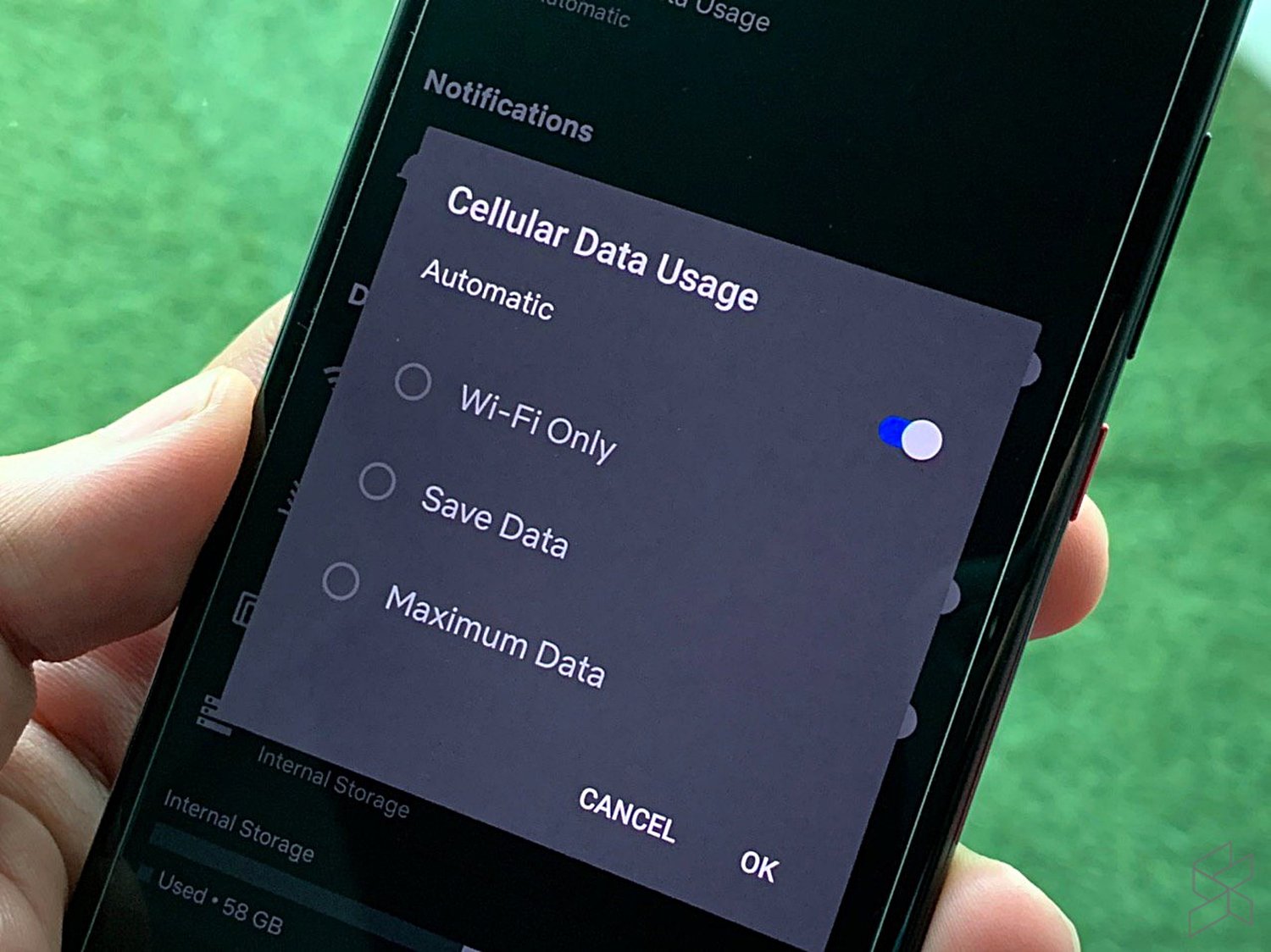
According to a blog post, the new codec provides “20% improved compression efficiency over [their] VP9 encodes”. Netflix had announced awhile back that it would work with a number of companies, including Google and Intel, to develop royalty-free codecs—this now means that they are free from the cost of royalties for streams encoded with AV1.

Additionally, users will be able to use less data while streaming “selected” titles that are available to stream in AV1. To do so, you’ll need to enable the “Save Data” feature from your Netflix app settings on your Android device. And yes, this means that the codec is not supported on the iOS version of the Netflix app, although the on-demand giant promises that it plans to expand the use of AV1 to more devices and chipsets.

It certainly makes sense, given the move towards mobile use for on-demand content—actually scratch that, the entire world of connectivity is moving towards mobiles. And with a global user base, the on-demand company is certainly catering to a wide demographic of users.
This includes users who depend on their mobile internet plans as their primary source of internet connectivity—which makes data-saving essential. This focus on mobile users was also evidenced by the introduction of mobile-only Netflix plans in certain regions.

[ SOURCE ]

Tags: AndroidAV1MobileNetflix
Nic Ker

Nic Ker

POPULAR

Netflix now takes less data to stream—but only on Android devices

February 6, 2020

HUAWEI MatePad 12 X 2026: The Best Productivity Tablet with PC-Level WPS and the All-New HUAWEI M-Pencil Pro

January 6, 2026

SoyaCincau Awards 2025: The Best Tablets of the Year

January 5, 2026

SARA: All Malaysian adults to receive RM100 credit from 9 February

January 5, 2026

Max Out Your Samsung Galaxy S25’s Camera Potential with These Must-Try Features

December 23, 2025
Maybank Google Pay - May 2024

Maybank on Google Pay: No PIN required for transactions above RM250, transactions limited to RM2,500

January 5, 2026

Copyright © 2025 · SoyaCincau.com
Mind Blow Sdn Bhd (1076827-P)

  • ADVERTISE
  • DISCLAIMER

Copyright © 2026 · SoyaCincau.com – Mind Blow Sdn Bhd (1076827-P)

  • ADVERTISE
  • DISCLAIMER