

• 中文版
  • BM
  • News
  • Deals
  • Reviews
    • First Impressions
    • Hands-on
    • Comparisons
  • Tech
    • Mobile
    • Computers
    • Cameras
    • Wearables
    • Audio
    • Drones
  • Telco
    • Celcom
    • Digi
    • Maxis
    • Time
    • Tune Talk
    • U Mobile
    • Unifi
    • Yes
  • Cars
  • Contribute
  • Jobs
Menu
  • 中文版
  • BM
  • News
  • Deals
  • Reviews
    • First Impressions
    • Hands-on
    • Comparisons
  • Tech
    • Mobile
    • Computers
    • Cameras
    • Wearables
    • Audio
    • Drones
  • Telco
    • Celcom
    • Digi
    • Maxis
    • Time
    • Tune Talk
    • U Mobile
    • Unifi
    • Yes
  • Cars
  • Contribute
  • Jobs
Search
  • Tech
    • News
    • Mobile
    • Computers
    • Cameras
    • Wearables
    • Audio
    • Drones
  • Telco
    • Celcom
    • Digi
    • Maxis
    • Time
    • U Mobile
    • Unifi
    • Yes
  • Reviews
    • First Impressions
    • Hands-on
    • Comparisons
  • Buyer’s Guide
  • Opinions
  • Digital Life
  • Video
  • Deals
  • How-To
  • Cars
  • Bahasa Melayu
  • EV
  • Contribute
  • Advertise
Menu
  • Tech
    • News
    • Mobile
    • Computers
    • Cameras
    • Wearables
    • Audio
    • Drones
  • Telco
    • Celcom
    • Digi
    • Maxis
    • Time
    • U Mobile
    • Unifi
    • Yes
  • Reviews
    • First Impressions
    • Hands-on
    • Comparisons
  • Buyer’s Guide
  • Opinions
  • Digital Life
  • Video
  • Deals
  • How-To
  • Cars
  • Bahasa Melayu
  • EV
  • Contribute
  • Advertise
Search
Close
Home News

Google’s new move is good for internet users, bad for advertisers

  • BY Nic Ker
  • 20 January 2020
  • 2:21 pm
  • Comment
Share on FacebookShare on Twitter

Google has announced a plan to move away from third party cookies, with the initiative behind the move (Privacy Sandbox) set to take its place. The aim, according to Google, is to “make the web more private and secure” for users—while still supporting the businesses of publishers.

As a quick reminder, cookies are small files that contain information—when you visit a website, a cookie gets sent to your computer by the site, which is then stored inside your web browser. These cookies contain login information, site settings, and other details, and third party cookies, in particular, consist of information that can be used for ad targeting—but have been subject to privacy concerns in recent times.

Privacy Sandbox, instead, utilises machine learning to study the browsing habits of users who are grouped based on similar browsing patterns. The information is then stored in your browser, unlike cookies (which are stored in your computer).
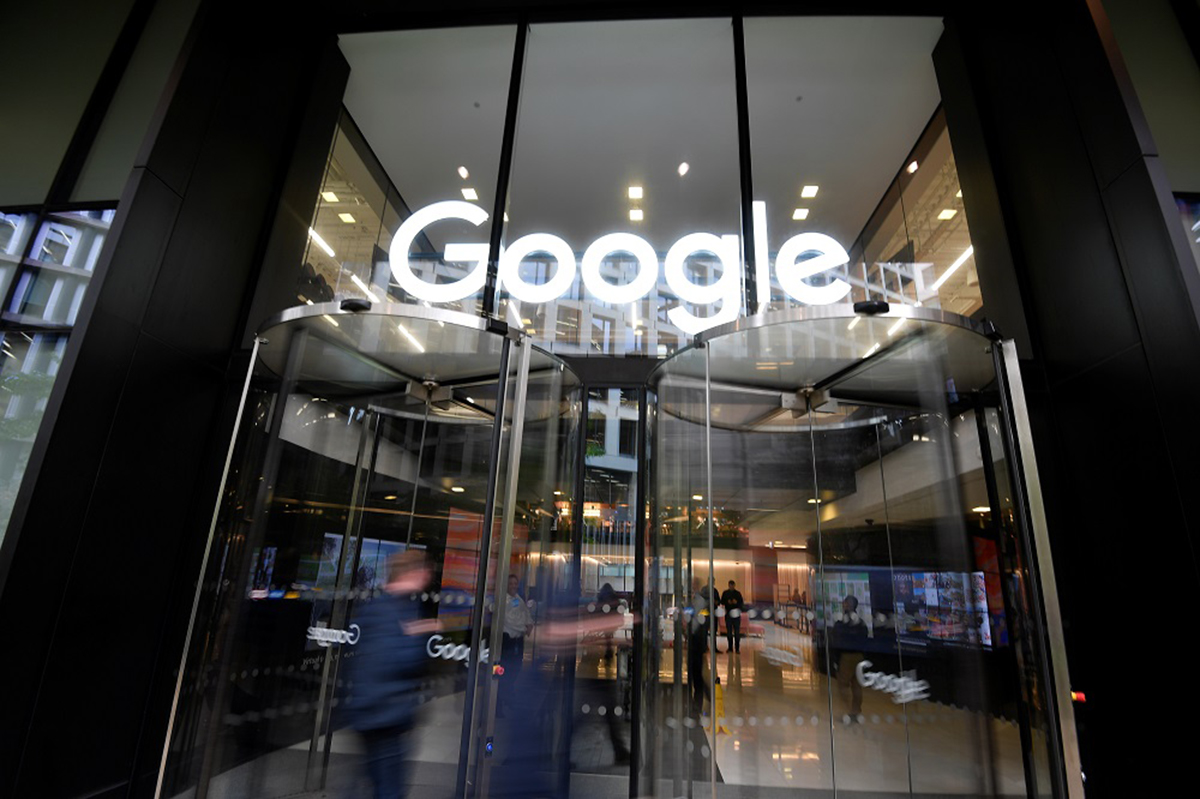
In a nutshell, it appears that privacy is the name of the game here. We’ll still see targeted ads and browsing patterns will still be tracked, but third party cookies won’t be a part of the picture anymore. According to Justin Schuh, Director of Chrome Engineering at Google:

“Users are demanding greater privacy–including transparency, choice and control over how their data is used–and it’s clear the web ecosystem needs to evolve to meet these increasing demands.”

Not everyone is happy

According to a report from Adweek, certain parties in the advertising industry aren’t thrilled with the move. Disappointment over the “unilateral” nature of Google’s announcement has been made clear by a statement from advertisers, while others have murmured that Google is looking to solidify their claim on an ad monopoly—or oligopoly, with regards to Facebook.

https://twitter.com/alexstamos/status/1217132118343471104

It’s worth noting that Google’s statement seems to indicate a “path” towards making 3rd party cookies obsolete, rather than an absolute move away from them right now. Trials are to begin in 2020, and it seems logical to infer that Google will only remove 3rd party cookies once Privacy Sandbox gets off the ground—whenever that is.

Similar moves have already been made by Apple and Mozilla with their browsers, but Google says that simply blocking 3rd party cookies can have “unintended consequences”. These include workarounds such as “fingerprinting”, technology that identifies aspects of your device, and tracks you based on those identifiers—an invasive workaround.

An improvement for users’ privacy? Or part of a larger strategy by Google to further dominate the ad space? Probably a little bit of both, to be fair.


[ SOURCE , 2 , 3 , 4 ]

Tags: cookiesgoogleMobile
Nic Ker

Nic Ker

POPULAR

Google’s new move is good for internet users, bad for advertisers

January 20, 2020

SoyaCincau Awards 2025: The Best Tablets of the Year

January 5, 2026

HUAWEI MatePad 12 X 2026: The Best Productivity Tablet with PC-Level WPS and the All-New HUAWEI M-Pencil Pro

January 6, 2026

Max Out Your Samsung Galaxy S25’s Camera Potential with These Must-Try Features

December 23, 2025

SARA: All Malaysian adults to receive RM100 credit from 9 February

January 5, 2026
Maybank Google Pay - May 2024

Maybank on Google Pay: No PIN required for transactions above RM250, transactions limited to RM2,500

January 5, 2026

Copyright © 2025 · SoyaCincau.com
Mind Blow Sdn Bhd (1076827-P)

  • ADVERTISE
  • DISCLAIMER

Copyright © 2026 · SoyaCincau.com – Mind Blow Sdn Bhd (1076827-P)

  • ADVERTISE
  • DISCLAIMER