
Despite not having any presence at MWC 2017, Xiaomi has made a new breakthrough by announcing a new smartphone that’s powered by their very own. Instead of relying on Qualcomm and Mediatek, the Chinese company has introduced its very own mobile SoC that’s called the Surge S1.
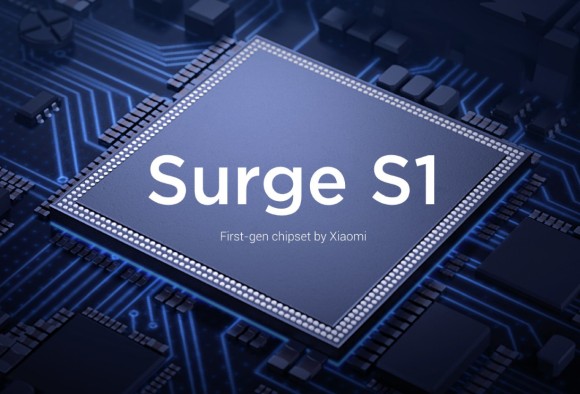
The new processor is an octa-core 64-bit unit that consists of 4x A53 cores running at 2.2GHz and 4x A53 cores running at 1.4GHz. While it’s still based on a 28nm process, the new chip claims to outperform other mid-range processors like the Snapdragon 625 and Helio P10 in GeekBench 4.0 and Antutu benchmarks.
The Surge S1 also gets a Mali-T860 quad-core GPU and a 14-bit dual ISP for better light sensitivity and noise reduction in photos. There’s also a 32-bit high performance DSP for better noise cancellation with two mics and it also supports HD calls with VoLTE.
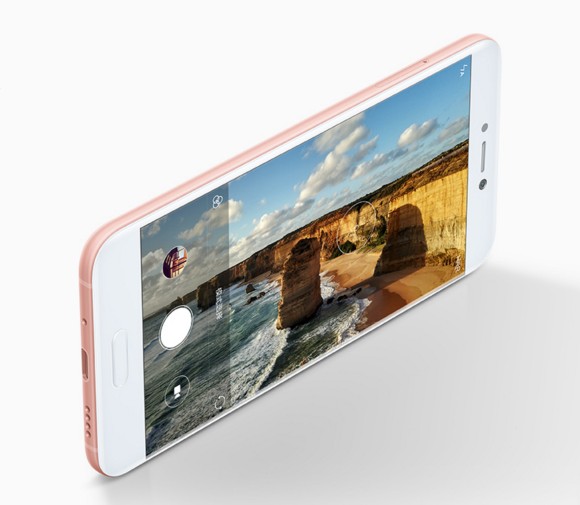
To put the new processor to the test, Xiaomi has launched the Mi 5c. This looks like a budget-friendly alternative to its Mi 5s smartphone.
The Mi 5c gets a compact 5.15″ Full HD display that boasts 550-nits brightness with 2,048 levels of adjustments. The Surge S1 processor is mated to 3GB of LP-DDR3 RAM and there’s 64GB of eMMC 5.0 non-expandable storage.
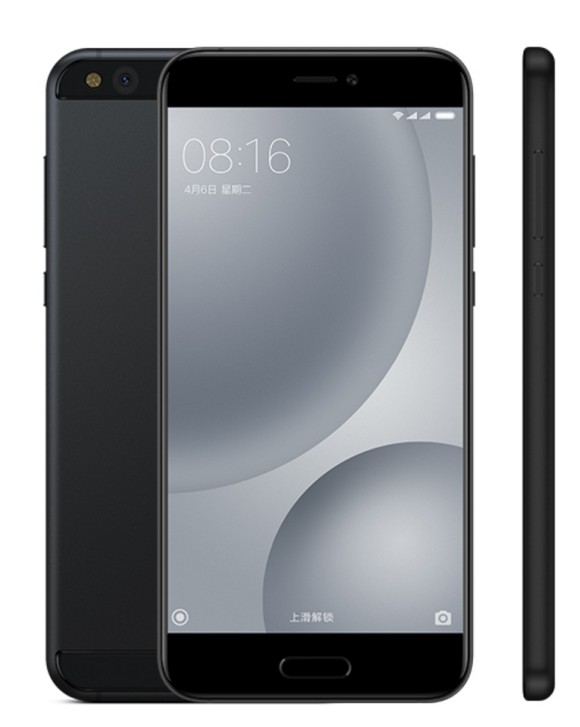
For imaging, it gets a 12MP f/2.2 camera with PDAF while the front gets an 8MP f/2.0 camera. Keeping the lights on is a 2,860mAh battery which is rated to last a full day and it supports fast charging via a 9V/2A power adapter. Since the processor is developed in-house, Xiaomi promises faster software updates. Because of this, Xiaomi says the Mi 5c will get Android 7.1 as early as next month.
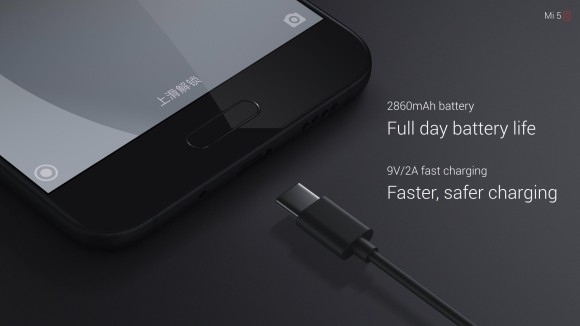
Connectivity wise, it supports 802.11a/b/g/b/ac dual-band WiFi and Bluetooth 4.1. However, it appears to be a very China-centric device as it supports 3G in TD-SCDMA bands and 4G in TDD-LTE bands. Available in Rose Gold, Gold and Black colours, the new smartphone is priced at 1,499CNY which is about RM968.
Redmi 4X
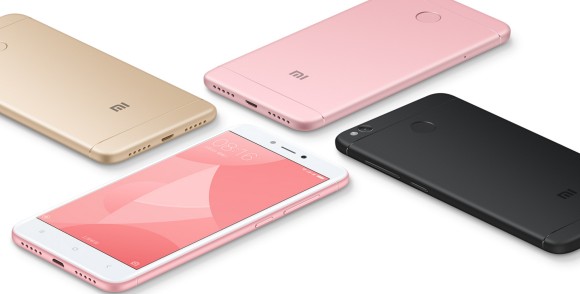
Xiaomi has also updated its entry-level line-up by introducing the Redmi 4X. Like the original Redmi 4, it gets a full metal body and a 5″ HD 720p display. It comes in two variants – a standard version with 2GB RAM + 16GB storage and a higher spec model wth 3GB RAM + 32GB storage. Both are rocking Qualcomm’s Snapdragon 435 processor that comes with Adreno 505 GPU.
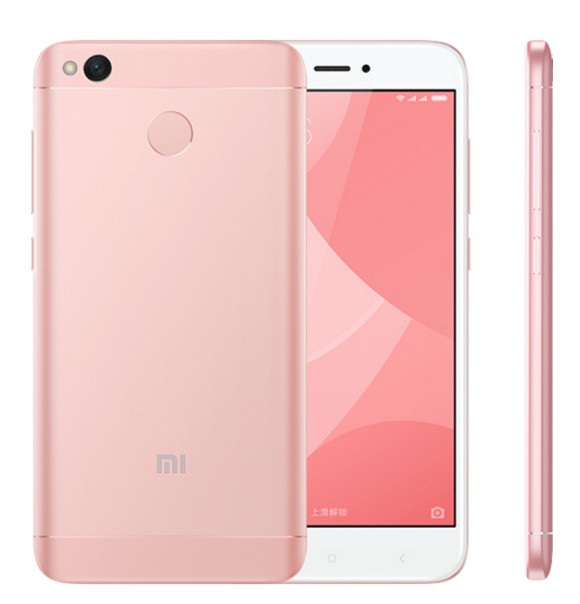
The Redmi 4X gets a 13MP f/2.0 main camera with PDAF while the front gets a 5MP f/2.2 shooter with their 2nd gen beautification mode features. It’s also a dual-SIM device with microSD expansion using a hybrid SIM slot design. It also gets a 4,100mAh high-density battery which claims to last up to 2 days with average use.
Unlike the Mi 5c, the Redmi 4X supports a wider range of 3G/4G bands including FDD LTE Band 3, 5, 7 and TD-LTE on Band 38 and 40. The base model is priced at 699CNY (about RM452) while the high-spec variant is going for 899CNY (about RM582).